The following is collected from a post through Substack:
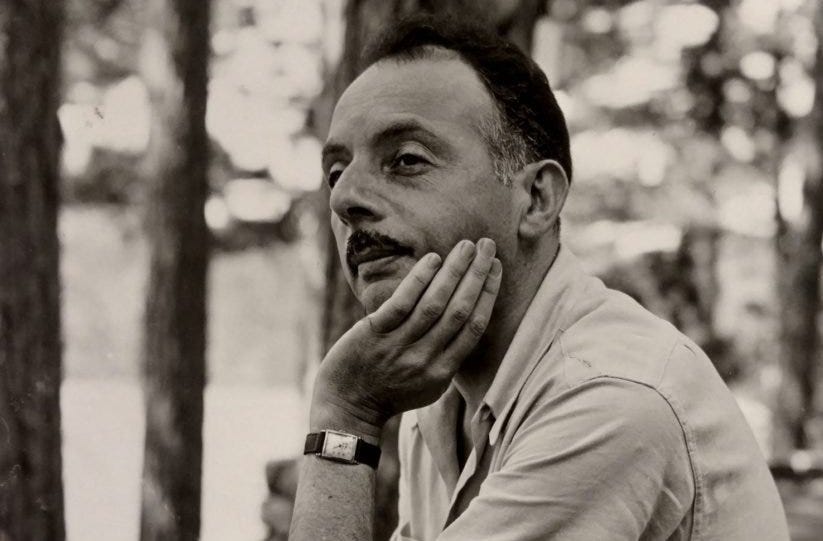
“One of my convictions is that at the center of every poetic imagination is a cluster of key images which go back to the poet’s childhood and which are usually associated with pivotal experiences, not necessarily traumatic. That cluster of key images is the purest concentration of the self, the individuating node. You can tell the poets who are working at their center by the distinctiveness of their voice, their constellation of key images, their instantly recognizable beat.” … from Stanley Kunitz‘s 1975 lecture at the Library of Congress, “From Feathers to Iron.”
About 14 years ago, I became friends with Bethany Price who introduced me to Ted Joans and Lucille Clifton and Diane di Prima and so many other poets and poems and ideas. When she was taking a course with Susan Firer, she told me about an exercise they did in class based around the concept of “constellations of imagery” — where Susan encouraged her students to take a look at their frequently used images across their work so far. Then, she challenged them to write poems using images outside of these to expand their constellations outward.
I found the quote from Stanley Kunitz above a couple years ago when I was writing about the connected imagery between June Jordan’s and Sappho’s love / heartbreak poetry. It was clear to me that Jordan and Sappho were overlapping their psyches — they both wrote about heartbreak using the image of a reptile. And maybe June Jordan was aware of this, having lived much after Sappho, or maybe there’s this incredible connection between all of us, running underneath our conscious minds, and drawn from in dreams and in creation.
At this time of contemplating constellations of imagery as they are shared between time and space and individuals, I was a Northerner writing about hurricanes in almost every poem. And not sure how to grapple with this fixation when I was not yet afflicted by them.
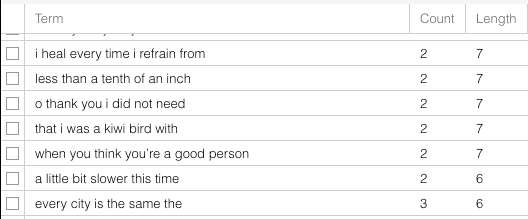
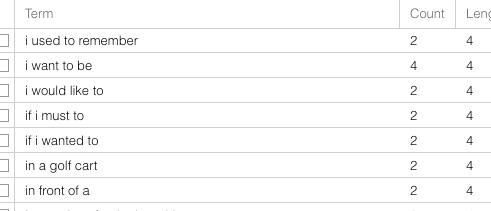
On a recent manuscript call with dear writer friends, Nicole Callihan put my current poetry collection through a Voyant text analyzer — as a means for discovering core themes, and to see what to title the collection.
If anything, this was a helpful activity for sensing my syntax.